



Media Safety Advisor Training for Africa-Based Assignments


Media teams often work in unpredictable environments. Journalists, camera crews, producers, photographers, documentary teams, and broadcasters may be required to travel to areas affected by political tension, public disorder, crime, natural disasters, industrial disputes, community unrest, armed conflict, health emergencies, or sensitive investigations. In these situations, a media safety advisor can play a vital role in helping the team work safely and professionally.
Media Safety Advisor training is designed for security professionals who support media personnel during assignments. This role is different from traditional close protection. The aim is not to control the media team or restrict their work unnecessarily. The aim is to help them understand the risks, make informed decisions, move safely, and complete their assignment without avoidable harm.
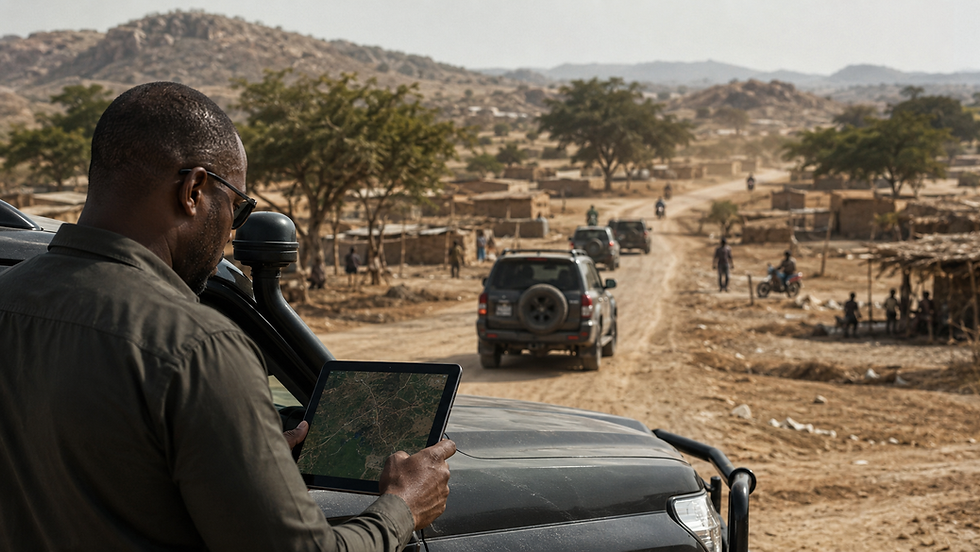
Africa presents a wide range of operating environments for media assignments. A crew may move from a capital city to a rural area, from a hotel to a public demonstration, from an airport to a remote community, or from a controlled interview to a fast-changing breaking news situation. Each assignment requires judgement, planning, cultural awareness, communication, and flexibility.
A trained media safety advisor must understand the pressures of journalism and production work. Media teams may need to move quickly, gather footage, speak with local people, meet deadlines, protect sources, and remain close enough to events to report accurately. A security professional who does not understand this may become an obstacle rather than an asset. The advisor must balance safety with the operational needs of the media team.
Good training should cover assignment planning, threat and risk assessment, journey management, accommodation considerations, communications, local liaison, crowd awareness, hostile environment awareness, emergency procedures, medical planning, evacuation considerations, and post-incident reporting. It should also address the behaviour and mindset required to work alongside media professionals.
One of the most important skills for a media safety advisor is judgement. Not every risk can be eliminated. The role is to identify the risks clearly, explain them properly, and support decision-making. This requires calm communication, credibility, and the ability to avoid unnecessary drama. Overstating risk can damage trust. Understating risk can put people in danger.
Cultural awareness is also essential. Africa is not one uniform operating environment. Conditions differ greatly between countries, regions, cities, communities, and assignments. Media safety advisors must avoid assumptions. They should understand the value of local knowledge, local fixers, drivers, translators, community contacts, and trusted security partners. A professional advisor knows when to lead and when to listen.
Another key issue is profile management. Media teams can attract attention because of their cameras, equipment, vehicles, language, nationality, subject matter, or association with a story. The safety advisor must understand how to reduce unnecessary exposure without preventing the team from working. This may include advising on movement, timing, routes, meeting locations, equipment posture, and contingency options.
Medical preparedness is also important. Media assignments may take place far from immediate medical support. A media safety advisor should understand emergency response principles, first aid planning, casualty movement considerations, and communication with medical providers. This is particularly important in remote or unstable areas.
Media Safety Advisor training helps security professionals move beyond generic bodyguard thinking. It teaches them to support a specialist client group with unique pressures and operational needs. The best advisors are calm, observant, culturally aware, practical, and able to communicate clearly with both media teams and local contacts.
Call to action: The Professional Bodyguard Association provides Media Safety Advisor training for security professionals supporting journalists, production crews, and media teams operating across Africa.


Comments