



First Person on Scene Medical Training for Africa-Based Security Personnel


Security personnel are often the first people present when something goes wrong. They may be the first to see a medical emergency, road traffic collision, workplace injury, violent incident, fire alarm, collapse, fall, or sudden illness. In many cases, the security officer, close protection operative, driver, supervisor, or control room operator may reach the scene before paramedics, police, fire services, or management.
This is why First Person on Scene training is so valuable for security personnel. The first few minutes of an emergency can influence the outcome. A trained person can recognise danger, call for help, protect the scene, provide basic life-saving support, communicate clearly, and prevent the situation from becoming worse. An untrained person may freeze, panic, give poor information, move a casualty unnecessarily, or fail to control bystanders.
First Person on Scene training does not turn security personnel into doctors or paramedics. That is not the purpose. The purpose is to give them the knowledge, confidence, and structure to act appropriately until qualified medical help arrives. In professional security, this can be an essential part of the duty of care.
Security personnel work in environments where emergencies can happen at any time. These may include office buildings, hotels, events, churches, schools, industrial sites, mines, farms, residential estates, transport hubs, retail sites, and private residences. They may also work with executives, visiting delegations, media crews, religious leaders, or high-profile clients.
In each case, the ability to respond calmly and correctly can make a significant difference.
A good First Person on Scene course should cover scene safety, casualty assessment, emergency communication, airway and breathing problems, severe bleeding, shock, burns, fractures, medical conditions, recovery position, CPR awareness, defibrillator awareness, and handover to emergency services. It should also teach learners how to think under pressure and how to avoid making the situation worse.
For close protection operatives, this training is especially important. The role of the protection team is to protect life. That includes responding to medical incidents involving the principal, team members, staff, members of the public, or bystanders. A security professional who can only respond to physical threats but cannot assist during a medical emergency has a serious gap in capability.
For security supervisors, First Person on Scene training supports better incident management. Supervisors may need to coordinate the response, manage access for emergency services, control witnesses, preserve the scene, direct staff, and complete reports. Understanding the medical response process helps them support rather than obstruct the emergency plan.
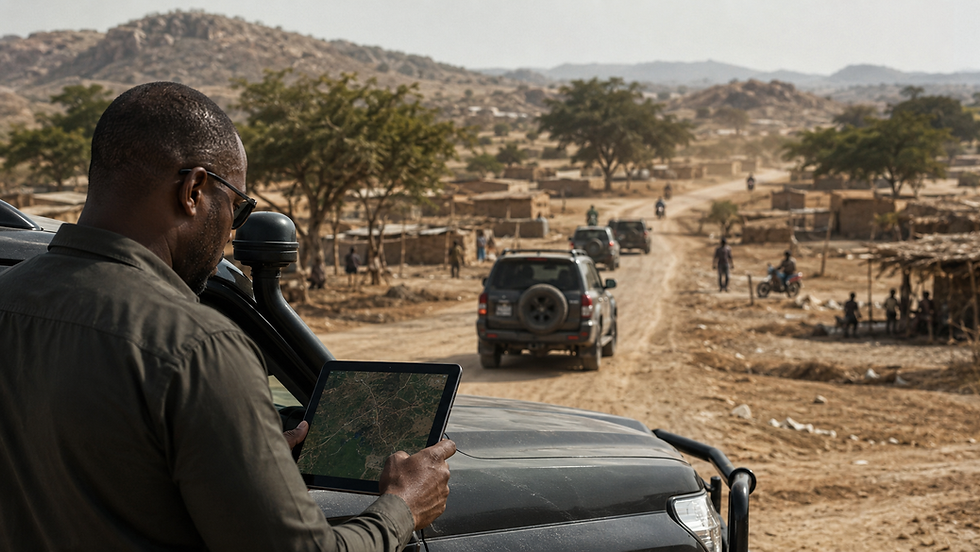
In the African context, response times and available resources can vary significantly depending on location. In some areas, emergency services may arrive quickly. In others, there may be delays due to distance, traffic, communication problems, or limited medical infrastructure. This makes early action even more important. Security personnel who are already on site may be the most immediate source of help.
The training also improves confidence. Many people want to help in an emergency but do not know what to do. Structured training gives them a clear process to follow. It also teaches them when not to intervene, when to call for higher-level support, and how to protect themselves from unnecessary risk.
Professional security training should always include an emergency care mindset. The aim is not only to prevent harm from hostile action but also to preserve life during accidents, illness, and unexpected incidents. First Person on Scene training helps security personnel become more useful, more professional, and more trusted.
Call to action: The Professional Bodyguard Association offers First Person on Scene training for security personnel who may be required to respond during the critical first minutes of an emergency.


Comments