



Close Protection Training in South Africa: What Learners Should Know!


Close protection training in South Africa is becoming increasingly relevant for learners who want to build a professional career in the private security, corporate protection, diplomatic support, travel risk, and executive protection sectors. South Africa has a diverse security environment, and this makes it a valuable training location for learners who need more than classroom theory. The country offers a realistic setting in which security professionals can develop judgement, discipline, awareness, communication, planning, and operational confidence.
For learners considering close protection training, the first thing to understand is that professional close protection is not simply about looking tough, standing close to a principal, or reacting aggressively to danger. A competent close protection operative must understand risk, movement, communication, conflict avoidance, emergency response, planning, teamwork, and professional conduct. The best protection work is often quiet, controlled, and unnoticed by the public.
A good close protection course should therefore focus on the full role of the operative. Learners should expect to cover topics such as roles and responsibilities, threat and risk awareness, route planning, venue assessment, foot formations, vehicle procedures, incident response, communication, legal and ethical considerations, search awareness, emergency first response, and professional standards. The purpose is not to turn learners into fighters. The purpose is to develop disciplined security professionals who can protect life, reduce risk, and support safe movement.
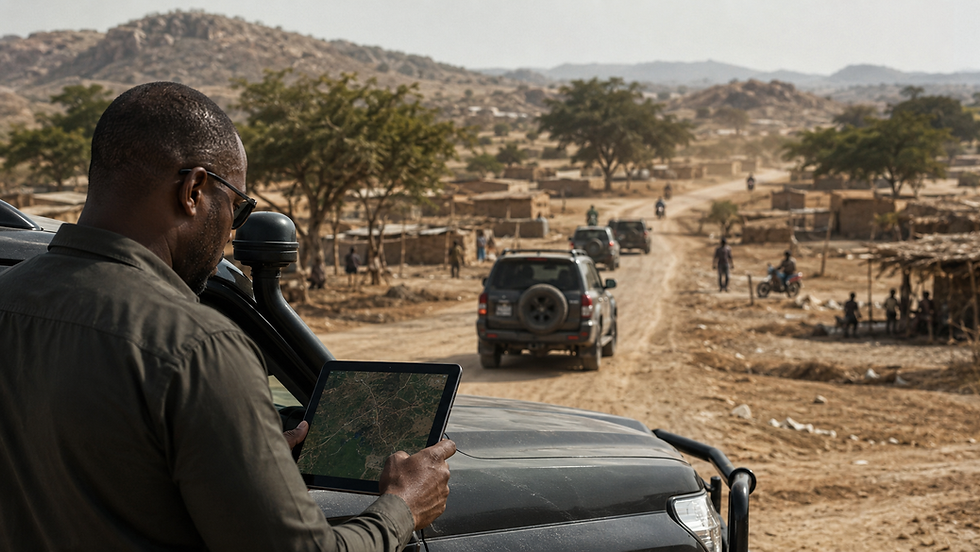
South Africa is a practical location for this type of training because learners can be exposed to a range of realistic planning considerations. Urban movement, rural travel, remote areas, public venues, corporate environments, and long-distance road movement all form part of the wider security picture. Training in this environment can help learners understand that close protection is not a one-size-fits-all discipline. What works in London, Dubai, Lagos, Johannesburg, Abuja, or Cape Town may need to be adapted to local conditions, local laws, local customs, available resources, and the specific profile of the principal.
Learners should also be careful when choosing a provider. A professional training organisation should be clear about what it teaches, who the course is for, what standards are being followed, and what qualification or certificate is being issued. Marketing language can sometimes make training sound more advanced than it really is. Learners should look for credible instructors, structured course materials, realistic assessment, proper safety management, and a professional learning environment.
Another important point is that close protection training should prepare learners for responsibility. The role can involve protecting senior executives, public figures, families, media teams, visiting delegations, religious leaders, and high-profile individuals. In every case, the operative must be able to act with maturity, discretion, and restraint. A learner who cannot communicate professionally, follow instructions, manage stress, or work as part of a team is not ready for serious close protection work.
In the African security environment, professional training also needs to address cultural awareness and local realities. Learners may be required to operate across different provinces, communities, countries, and client groups. Understanding how to behave respectfully, how to reduce attention, how to work with local security teams, and how to support the client without creating unnecessary tension is essential.
Close protection training in South Africa should therefore be seen as an investment in professional development. It is not just about gaining a certificate. It is about learning how to think, plan, communicate, and act as a responsible protection professional.
For learners who are serious about entering or progressing within the industry, the right training can provide a strong foundation. It can build confidence, improve employability, and help learners understand the standards expected in professional protective security.
Call to action: The Professional Bodyguard Association provides structured close protection training designed to develop disciplined, judgement-led, professional security personnel for African and international operating environments.


Comments